
Free Consultation 512-474-8346
No Fee Unless You Win
No Fee Unless You Win
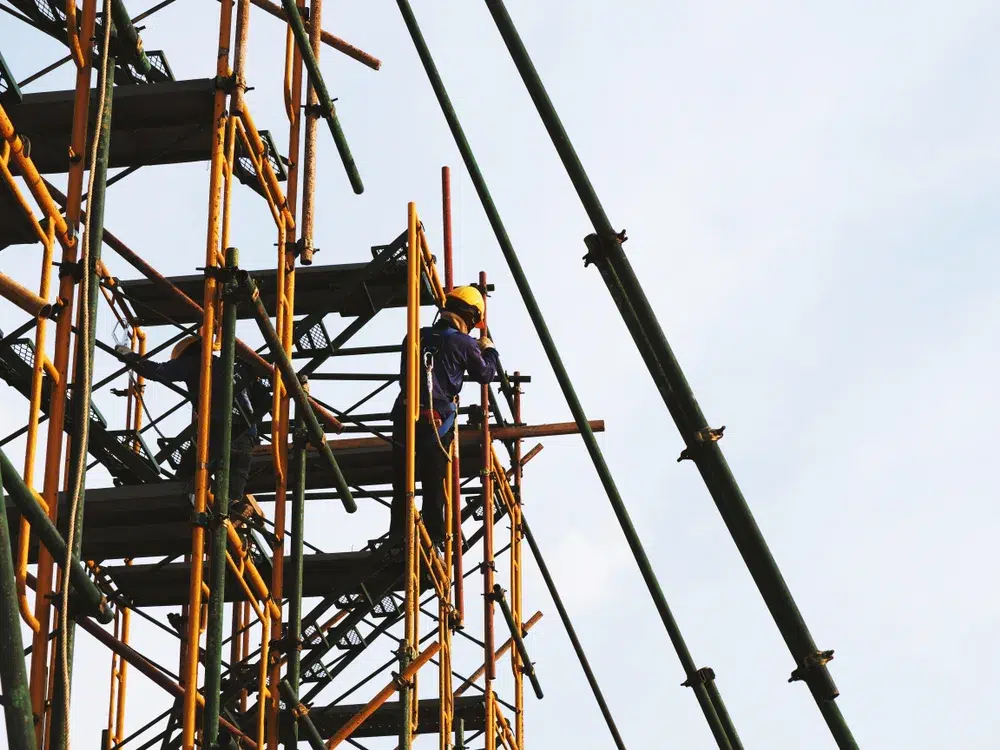
Certain occupations across the country put workers at far greater risk of serious injury than others. The Law Offices of Aaron Allison, our Texas workplace accident lawyers, regularly hear the same question from injured workers and their families: what is the most dangerous job in America, and why did this happen to someone doing everyday work? For workers and families in Austin, Texas, understanding which occupations carry the highest risk is the first step toward recognizing when an injury deserves more than a passing mention on a workplace log.
Table of Contents
Texas Work Accident Attorney
You have limited time to protect your rights after a workplace injury. Speak with a Texas work injury attorney today during a free consultation to discuss your legal options.
Answering what is the most dangerous job in America starts with how researchers measure risk, not just total deaths. Some occupations carry a disproportionately high rate of fatal or serious injury even when their total workforce is far smaller than larger industries. Nonfatal injury rates, hours worked, and typical job hazards all factor into how researchers rank these occupations each year.
The following occupations consistently rank among the deadliest in the country based on fatality data and reported hazards.
Logging workers hold the highest fatal injury rate of any occupation in the country, exceeding 98 deaths per 100,000 workers, more than 30 times the national average. According to the Occupational Outlook Handbook for logging workers, the work is physically demanding and often dangerous, with crews spending entire shifts outdoors, frequently in poor weather and remote locations, and many logging more than 40 hours per week.
Roofers cover structures with shingles, slate, asphalt, aluminum, wood, or related materials, and may spray roofs, siding, and walls with material to bind, seal, insulate, or soundproof sections of a building, according to the occupational classification for roofers. This work is done at significant heights, and severe falls from roofs or ladders account for most fatal incidents in this trade.
Fishing and hunting workers face fatality rates among the highest of any occupation, with hazards including extreme weather, unstable vessels, overboard falls, and drowning. Extended time at sea and remote work locations often mean limited access to immediate emergency care.
Construction sites involve heavy equipment, elevated structures, and constantly changing conditions. Struck-by incidents and falls drive much of the risk in this field.
Pilots face mechanical failure, weather emergencies, and the demands of operating aircraft in variable conditions. Small aircraft and agricultural flights carry particularly high risk.
Long hours behind the wheel, fatigue, and highway conditions create constant risk. Highway collisions are a frequent cause of fatal injury in this occupation
Collectors face constant exposure to passing traffic while walking routes. Getting struck by vehicles or caught in compactor machinery are common sources of serious injury in this occupation.
These workers assemble structural frameworks at significant heights, often before permanent safety features exist. Falls are a leading hazard in this trade.
Operators work in confined spaces with heavy machinery, limited visibility, and reduced access to immediate medical care. Equipment-related injuries and cave-ins pose ongoing risks.
Farmers and ranchers regularly face tractor rollovers, machinery entanglements, and isolated work settings without immediate access to help.
Beyond individual job titles, entire industries report elevated injury and fatality rates each year. According to the Census of Fatal Occupational Injuries, construction and extraction workers experienced 1,032 fatalities in a recent reporting year, making construction among the industries with the highest total number of workplace deaths annually, even though its fatality rate per worker sits below logging or roofing.
Fatal falls, slips, and trips among these workers still numbered in the hundreds, despite a year-over-year decline. Building and grounds cleaning and maintenance work also saw fatalities climb, reflecting the physical demands and equipment risks tied to that field.
Protective service occupations, which include roles exposed to unpredictable and sometimes dangerous situations, likewise reported a rise. Austin’s economy touches several of these sectors directly, from construction and warehousing to agricultural operations on the city’s outskirts, which means these national patterns show up locally far more often than most workers expect.
The steps taken immediately after an injury often shape how smoothly the rest of the process unfolds. Report the injury to a supervisor as soon as possible and document the date, time, and the person notified.
Seek medical evaluation promptly, even when an injury initially seems minor, since some conditions worsen without early treatment. Texas generally requires care through an approved provider network once a claim is underway.
Keep copies of every document submitted, including incident reports and medical records, and avoid assuming a coworker has already reported the incident on your behalf. These early steps create the documentation trail that later supports a workers’ compensation claim or a broader injury case, depending on how the employer is covered.
Workers hurt in high-risk occupations often qualify for compensation, though the available path depends on how the employer handles coverage. Employees of subscribing employers may pursue standard workers’ compensation benefits, which generally include medical treatment and partial wage replacement while recovering.
Texas remains the only state that permits private employers to opt out of the workers’ compensation system entirely. When an employer chooses that option, known as a non-subscriber, injured workers may instead pursue a negligence claim, which can open the door to a broader range of financial recovery than a standard claim allows.
Identifying the appropriate path and collecting the necessary evidence typically depends on the specific details of both the workplace and the injury sustained. Toxic exposure, repetitive strain, and equipment-related injuries common to several jobs on this list may also qualify for coverage, provided the connection between the work and the harm is well documented.
Recognizing which occupations carry the highest risk is useful, but knowing how to respond after an actual injury matters more. A workers’ compensation lawyer reviews the circumstances of the incident, identifies whether an employer subscribes to workers’ compensation insurance, and helps determine which legal path offers the strongest outcome.
Insurance carriers often begin evaluating claims quickly, and workers who understand their options from the outset tend to avoid many of the common pitfalls that lead to disputes or denials.
Whether the injury involves a fall, equipment malfunction, or prolonged physical exposure, early guidance often shapes how the remainder of the claim unfolds. The Law Offices of Aaron Allison has represented injured workers across Austin and Texas, helping them understand the options available after a serious workplace injury.
Working one of the country’s most dangerous jobs should not mean facing an injury claim without guidance. Our team reviews the details of each case, identifies whether workers’ compensation or a negligence claim applies, and helps injured workers understand realistic next steps.
Anyone asking what is the most dangerous job in America deserves clear answers about their own situation, not just national statistics. Call us at (512) 886-8434 to discuss a workplace injury with our Austin team today.
For 50 years, my father, served as a trial lawyer to get just compensation for the people of Austin. At age 14, I began to take up the mantle to continue my father’s practice as a second generation trial lawyer serving Austin’s community. The strength of his legacy continues through its commitments to a communal presence, honoring that each case is as unique as the individual pursuing compensation.
Linkedin Profile: Aaron Allison


This page has been written, edited, and reviewed by a team of legal writers following our comprehensive editorial guidelines. This page was approved by Attorney Aaron Allison, who has vast legal experience as a workers compensation attorney.
Key Takeaways Loss of consortium is a derivative claim tied to an injured or deceased family member's case. Texas limits these claims to spouses, children, and parents under specific rules. ...
Posted by Aaron Allison
Key Takeaways Carpal tunnel syndrome occurs when a compressed median nerve causes pain, weakness, and tingling in the hand and fingers. Texas workers' compensation covers repetitive-motio...
read morePosted by Aaron Allison
Getting hurt while working is difficult enough without fearing losing your job. I got hurt at work, and they fired me, which is a situation that raises serious concerns under Texas law. At T...
read moreIf you or a loved one has been seriously injured, please fill out the form below for your free consultation or call us at 512-474-8346
 512-474-8346
 Message Us
  Call Us